
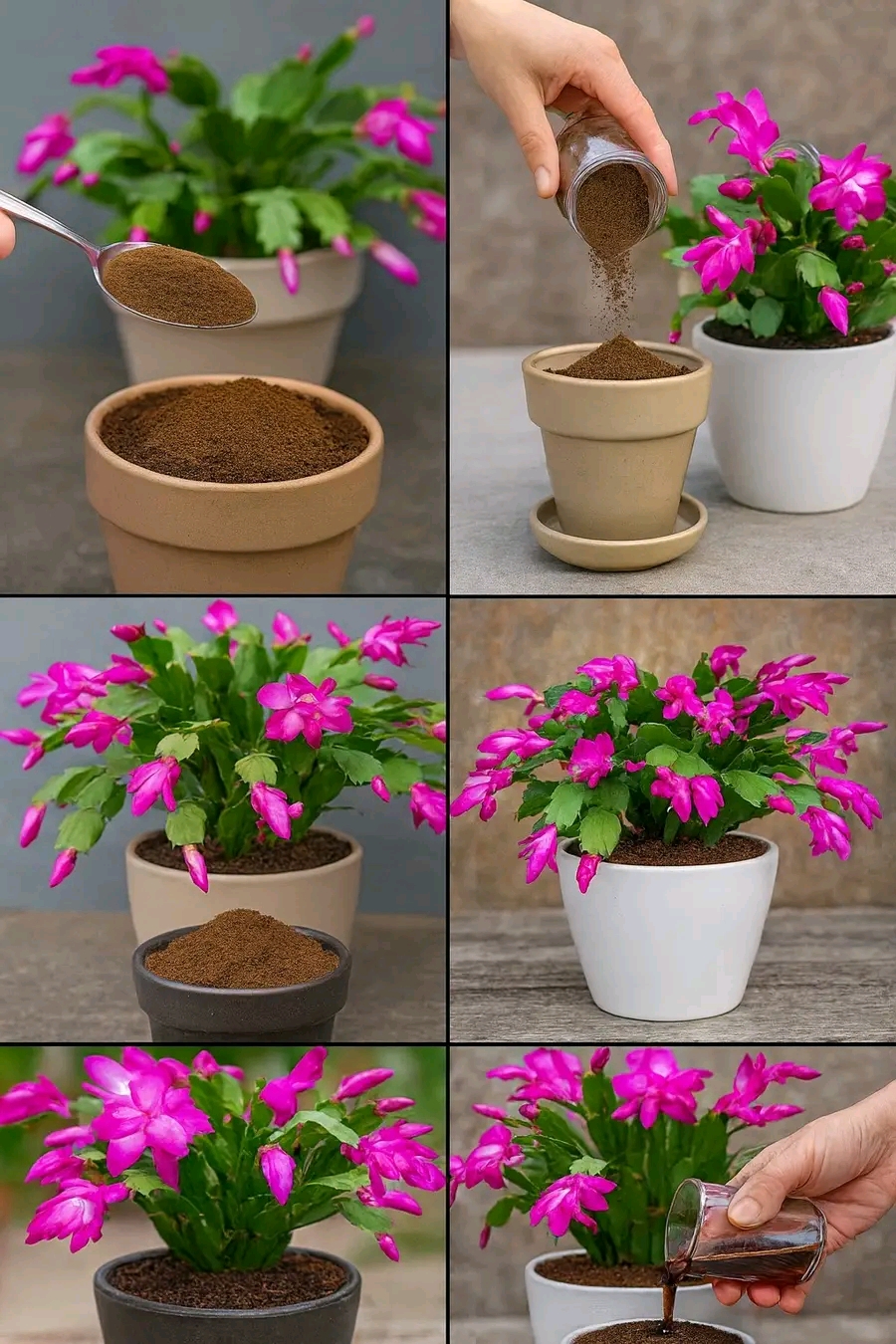
Here’s a comprehensive guide to help your Christmas Cactus (Schlumbergera) bloom again — plus the “why” behind it, care tips, and how to embrace the joy of having it flower.
🌿 Introduction
If your Christmas Cactus hasn’t bloomed in a while, you’re not alone — it’s one of the most common frustrations among indoor gardeners. But with the right cues (light, temperature, water, and rest), you can coax even a “weak” cactus back into bloom. This guide gives you natural, effective tricks to encourage buds again — no magic fertilizer required.
🌍 Origin and Cultural Significance
- The Christmas Cactus is native to the coastal mountains and rainforests of southeastern Brazil, where it grows as an epiphyte (on trees, in shaded, humid environments).
- Unlike desert cacti, it thrives in diffused light, humidity, and moderate coolness.
- It became popular as a holiday plant in the 19th century in Europe and North America, prized for its winter blooms when most plants are dormant.
- Symbolically, its unexpected blooms in the darkest season evoke hope, renewal, and endurance — themes often tied to Christmas traditions.
📋 “Ingredients” / Conditions You’ll Need
To trigger blooming, think of this as a “recipe” for the right conditions. You won’t have literal ingredients, but you will need:
| Component | Required Conditions |
|---|---|
| Light / Darkness Cycle | 12–14 hours of uninterrupted darkness nightly for ~6–8 weeks in fall. |
| Daylight | Bright, indirect light during the day (avoid direct hot sun). |
| Temperature | Cooler nights (~50‑60 °F / 10‑15 °C) help bud development; days around 65‑70 °F is good. |
| Watering | Moist but not waterlogged. Reduce watering slightly during bud development; never let roots sit in water. |
| Soil / Drainage | A well‑draining, airy mix (e.g. cactus mix + perlite) so water doesn’t stay saturated. |
| Rest / Fertilizer Timing | Stop or cut back on fertilizer in late summer, then resume after flowering. |
🌿 Optional Additions (Extra Helpers)
- Use a humidifier or place the plant on a pebble tray with water to raise humidity
- Mist the stems occasionally (not during full sun)
- Use low‑nitrogen fertilizer or a “bloom booster” in early growth season (spring / summer)
- Move the plant into a cooler room during the bud development phase
- Covering the plant at night (with a box or cloth) to ensure total darkness if your room has light pollution
✅ Tips for Success
- Start early — begin adjusting light and temperature about 6–8 weeks before you want buds.
- Zero light interruptions at night — even a little light can ruin bud formation.
- Keep conditions stable — avoid drafts, sudden temperature swings, or relocating the plant often.
- Be consistent with watering — too much or too little stress can prevent flowering.
- Avoid repotting or disturbing roots during bud initiation stages.
- Watch humidity — dry air can delay or abort bud formation.
- Once buds form, gradually reintroduce normal light and resume gentle feeding.
📝 Instructions / Weekly Routine
- Late August / early September: Begin giving your cactus 12–14 hours of uninterrupted darkness at night (e.g. cover it or place it in a dark room).
- Maintain daytime light: Bright, indirect light during the day.
- Cool the nights: Aim for ~50–60 °F (10–15 °C) during dark periods.
- Water carefully: Keep the soil moist but not soggy; reduce watering slightly during dark period.
- Avoid disturbance: Don’t rotate, move, or touch the cactus too much.
- After 6–8 weeks: Once you see buds forming, stop the enforced darkness cycle and let it bloom.
- After flowering: Cut back watering a bit; let it rest and rebuild for the next cycle.
✨ Description
When revived with these conditions, your Christmas Cactus should develop tight flower buds along its stems, eventually opening into vivid blooms in pink, red, white, or mixed shades. The contrast of lush green segmented stems with delicate tubular flowers is breathtaking — a sign that your plant is healthy, responding, and ready to shine in winter.
🧾 “Nutritional” Info (Metaphorical / Care Benefits)
While we don’t eat this plant, here’s what it gains from good care:
- Stronger root system
- Better energy reserves for flowering
- Healthier, vibrant foliage
- Longer bloom period
- Less susceptibility to stress, pests, or bud drop
✅ Conclusion and Recommendation
Getting your Christmas Cactus to bloom again is all about mimicking its natural seasonal signals: darkness, cool nights, consistent care, and patience. If your plant is stressing you out, don’t blame the cactus — adjust the environment.
Once you master this, you’ll enjoy a burst of color in the dead of winter — each bloom a reward for your dedication.
💚 Embracing Healthful Indulgence
Care routines like this remind us that growth, patience, and subtle care often yield the most beautiful results. It’s not about forcing or overdoing — it’s about creating conditions for life to flourish. Let your care for the cactus be a meditation in mindfulness and joy, not just a chore.
If your cactus blooms, share a photo — I’d love to celebrate with you!