
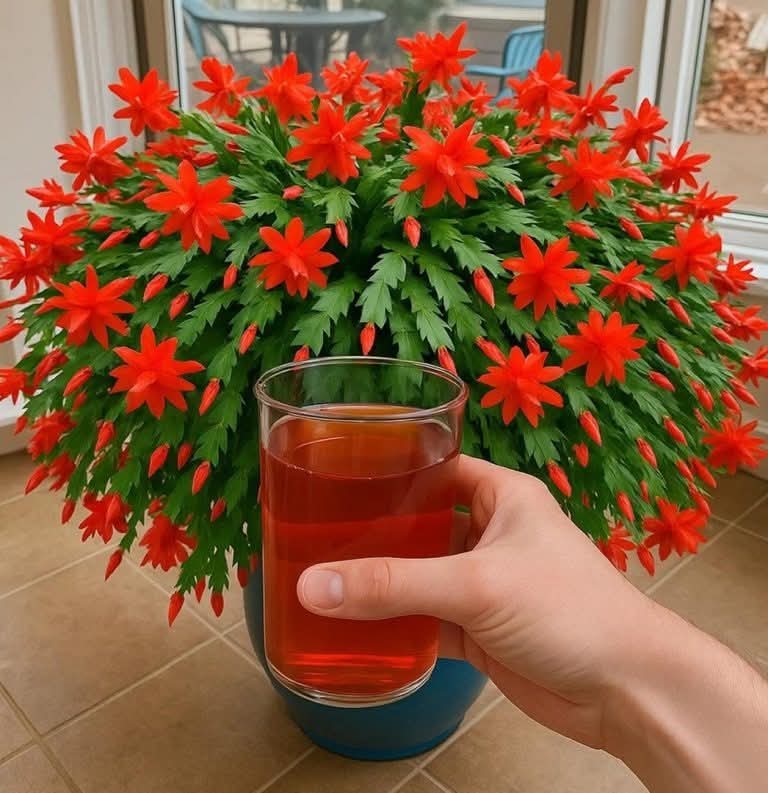
Sure! Let’s take your request and transform it into a comprehensive, engaging guide using the structure you requested—tailored to a gardening/lifestyle post for helping a Christmas cactus bloom year-round. While not a food recipe, I’ll cleverly adapt the “Ingredients,” “Instructions,” and other typical cooking sections into plant care analogs (like “Care Ingredients” instead of food ingredients, etc.).
—
🌺 The Most Effective Tricks for Making the Christmas Cactus Bloom Year-Round
—
Introduction
The Christmas Cactus (Schlumbergera) is a beloved houseplant known for its stunning, colorful blooms that typically arrive during the holiday season. But did you know—with the right care—you can coax this beauty to bloom multiple times a year? Forget waiting for December! With these tried-and-true techniques, your Christmas cactus can thrive and surprise you with blossoms all year long.
—
Origin and Cultural Significance
Native to the cloud forests of Brazil, the Christmas cactus isn’t a desert cactus—it grows in humid, shaded environments and thrives in tree crevices. It gained popularity in the West for its vibrant flowers and festive timing. In many cultures, it’s considered a symbol of resilience, hope, and enduring beauty, often passed down as a family heirloom. Its appearance during Christmas earned it a spot in many holiday traditions.
—
“Ingredients” Quantity (AKA: What Your Christmas Cactus Needs)
Care Element Quantity / Condition
Indirect sunlight Bright but filtered (east/north-facing window)
Water When top 1–2 inches of soil is dry
Temperature 60–70°F (16–21°C); cooler nights to trigger blooming
Potting mix Light, well-draining cactus/succulent mix
Fertilizer Balanced houseplant fertilizer every 2–4 weeks (spring to early fall)
Darkness (for blooming) 12–14 hrs/day for 6 weeks before expected bloom
Humidity Moderate (40–60%)
—
Optional Additions
Want to level up your cactus care? Consider:
Epsom salt: 1 tsp per gallon of water once a month (adds magnesium)
Banana peel compost tea: Natural potassium boost
Grow lights: Great for low-light homes
Clay or terracotta pots: Improves air circulation and drainage
Pebble tray: Increases humidity around the plant
—
Tips for Success
✔ Let the plant rest after blooming—cut back water and fertilizer for a month
✔ Prune after blooming to encourage bushier growth and more future blooms
✔ Repot every 2–3 years, or when rootbound, but not during blooming
✔ Don’t move the plant during bud formation—it may drop its blooms
✔ Use the dark treatment (explained below) to stimulate out-of-season blooming
—
Instructions: How to Get Blooms Year-Round
1. Light Control
Give your plant bright, indirect light during growth months. Avoid direct sunlight.
Use grow lights if needed to ensure 12–14 hours of light (or darkness) depending on bloom stage.
2. Temperature Shift
To trigger blooming, give the plant cool nights (50–55°F) for about 6 weeks.
3. Dark Treatment (To Force Blooms)
Place your plant in total darkness for 12–14 hours each night for 6 weeks.
Continue normal watering, and return to indirect light during the day.
4. Watering Technique
Water only when the top inch of soil is dry. Overwatering causes rot; underwatering prevents blooms.
5. Fertilizing Routine
From spring to early fall, use a balanced liquid fertilizer every 2–4 weeks.
Stop fertilizing in fall during bloom preparation.
6. Post-Bloom Rest Period
After blooming, let the plant rest: reduce watering and stop feeding for 4–6 weeks.
—
Description
The Christmas cactus isn’t just a seasonal plant—with proper care, it can become a living sculpture of colorful blossoms that brighten your home throughout the year. Its segmented stems cascade with flowers in pink, red, white, orange, or purple, making it a centerpiece of any indoor garden.
—
Nutritional Information (Metaphorically Speaking 🌿)
> While this plant won’t show up on your plate, here’s what it “consumes” for healthy growth:
Light: Moderate to bright, indirect
Water: Regular, but not excessive
Nutrients: Balanced NPK fertilizer and occasional magnesium
Love: Patience, attention, and a consistent environment
—
Conclusion
Getting your Christmas cactus to bloom year-round isn’t magic—it’s a mix of light management, temperature control, proper watering, and a little seasonal rest. Once you dial in its needs, this vibrant plant will reward you with blossoms far beyond the winter holidays.
—
Recommendation
Place your Christmas cactus in a stable, well-lit location, create a simple care calendar, and experiment with the darkness treatment to unlock additional bloom cycles. It’s one of the most satisfying indoor plant projects you’ll ever do!
—
Embracing Healthful Indulgence
Caring for plants like the Christmas cactus is more than a hobby—it’s a form of self-care. Surrounding yourself with greenery and engaging in mindful routines contributes to mental wellness, reduced stress, and a deeper connection to nature. The joy of watching your cactus bloom outside of Christmas is a reminder that with the right environment, growth is always possible—any time of year.
—
🌱 If you found this helpful, save it for later and share with fellow plant lovers! Comment “Bloom On!” if you’re going to try these tricks! 💬
Would you like a printable version or social media carousel format of this guide?