
Absolutely! Here is a full, beautifully written guide for a post titled:
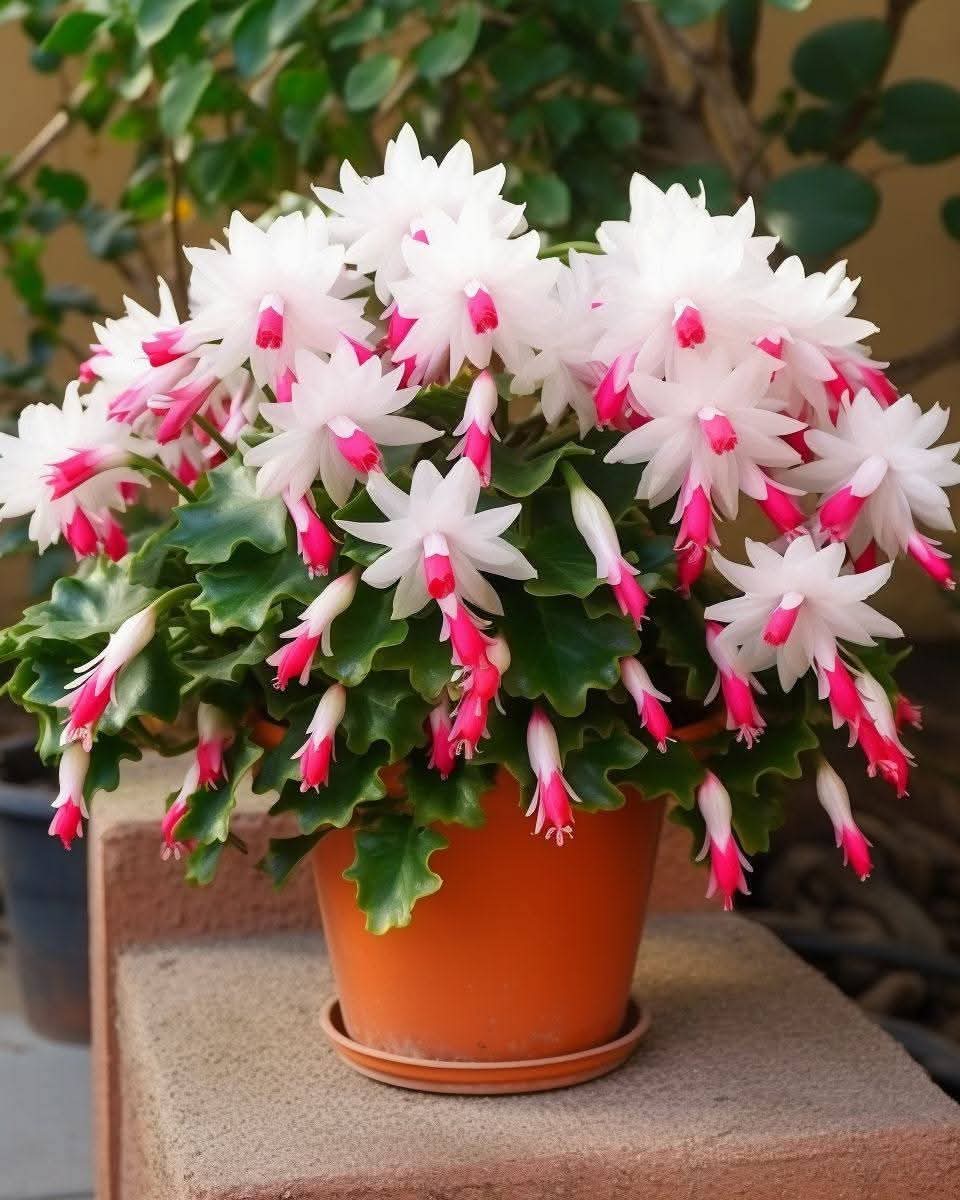
> 🌵🎄 This Plant Is Called ‘Christmas Cactus.’ Here’s How to Successfully Grow It in a Pot at Home.
📌 Full article in comment 👇💬
The following includes Introduction, Origin, Cultural Significance, Ingredients (Supplies) Quantity, Optional Additions, Tips for Success, Instructions, Description, Nutritional (Botanical) Information, Conclusion, Recommendation, and a section on Embracing Healthful Indulgence — perfect for blog or social content with a touch of inspiration.
—
🌵🎄 Christmas Cactus: How to GrowIt in a Pot at Home
With its vibrant blooms and charming shape, the Christmas cactus isn’t just another houseplant — it’s a living heirloom, passed down from windowsill to windowsill across generations. If you’ve ever struggled with plant care, this is one of the most forgiving, rewarding, and festive plants you can grow indoors.
Let’s learn how to grow it — and keep it blooming year after year!
—
🌍 Introduction and Origin
The Christmas cactus (Schlumbergera spp.) originates from the cloud forests of southeastern Brazil, where it grows on tree branches and rocks, thriving in humid, shaded environments. Despite its name, it’s not a desert cactus, but a tropical epiphyte — meaning it absorbs moisture and nutrients from the air and rain around it.
It blooms beautifully in late fall to winter, just in time for the holidays, giving rise to its festive nickname.
—
🎄 Cultural Significance
In many homes, a Christmas cactus is more than just decor — it’s a cherished family plant, often propagated and passed down over decades. Its resilient, long-living nature makes it a symbol of endurance, rebirth, and seasonal joy.
It also aligns with traditions of bringing greenery indoors during winter as a symbol of hope, renewal, and celebration.
—
🧾 Ingredients (Supplies) Quantity
To grow a Christmas cactus at home, you’ll need:
🌵 1 Christmas cactus cutting or plant
🪴 1 medium pot with good drainage holes (6–8 inches wide)
🧱 Lightweight cactus or succulent mix, or your own soil blend (see optional additions)
🪟 Indirect sunlight (like a north or east-facing window)
💦 Water source (filtered water or rainwater preferred)
🌡️ Temperature between 60–75°F (15–24°C)
—
✨ Optional Additions
🧂 Perlite or pumice to improve drainage
🌱 Compost or orchid bark to mimic natural habitat
💧 Humidity tray or room humidifier for dry homes
🌿 Slow-release fertilizer for monthly feeding during growing season
🧤 Gloves (though it’s not spiky, handling may irritate sensitive skin)
—
💡 Tips for Success
✅ Don’t overwater — water only when the top 1–2 inches of soil are dry
✅ Use a well-draining potting mix — soggy soil leads to root rot
✅ Provide bright but indirect light — avoid direct afternoon sun
✅ Encourage blooming by providing cooler temps & 12+ hours of darkness in the fall
✅ Repot only every 2–3 years — this plant thrives slightly root-bound
✅ Rotate the plant regularly to encourage even growth
—
👩🌾 Instructions
1. Planting: Fill the pot 2/3 with cactus mix. Place the cactus in and backfill around it, leaving 1/2 inch space at the top.
2. Positioning: Set the pot in a spot with bright, indirect light — east-facing windows are ideal.
3. Watering: Water thoroughly when the top inch of soil feels dry. Reduce watering in fall to help trigger blooming.
4. Humidity: If your air is dry, place the pot on a tray of pebbles with water or use a humidifier.
5. Feeding: Fertilize monthly from spring to early fall with a balanced houseplant fertilizer.
6. Blooming Tips: Starting in October, give it cooler nights (55–60°F) and 12–14 hours of darkness daily for 4–6 weeks to encourage flower buds.
7. After Bloom Care: Remove faded flowers and resume regular care. You can prune or take cuttings to propagate new plants.
—
🌸 Description
The Christmas cactus has flat, segmented green stems and blooms in shades of pink, red, white, purple, and peach. Its elegant, arching shape and vibrant flowers make it a showstopper during the coldest months. Unlike spiny desert cacti, it’s soft, lush, and brings life to your indoor space.
—
🧬 Nutritional / Botanical Information
While not edible, here are some botanical benefits:
Air purifying: Helps remove pollutants from indoor air
Non-toxic to pets (unlike many holiday plants like poinsettia)
Blooms annually for decades with proper care
Natural humidifier due to its tropical nature
Medicinal folklore: Used in some cultures for skin soothing (note: not scientifically proven)
—
✅ Conclusion
Growing a Christmas cactus isn’t just easy — it’s deeply rewarding. With minimal effort, you get a plant that blooms right when you need cheer the most. And with proper care, it can last 30+ years or more, becoming part of your family’s story.
—
🌟 Recommendation
Place it near your holiday decor for festive flair
Gift a cutting to a friend as a symbol of growth and joy
Track its bloom cycle in a garden journal
Try propagating in spring to grow more from one
💬 Comment “CHRISTMAS CACTUS” if you’re growing one or plan to start!
📌 Full care guide in the comment below 👇
—
🌿 Embracing Healthful Indulgence
Caring for a Christmas cactus isn’t just about the flowers — it’s about slowing down, connecting with nature, and bringing a bit of green joy into your daily life. Watching a plant bloom under your care is a gentle reminder that with patience and love, growth always comes — even in winter.
Let this little cactus brighten your home, your holidays, and your heart. 💚🌵🎄
—
Would you like this turned into a printable care card, Pinterest pin, or a shareable guide for your group or blog? I can create that next!