
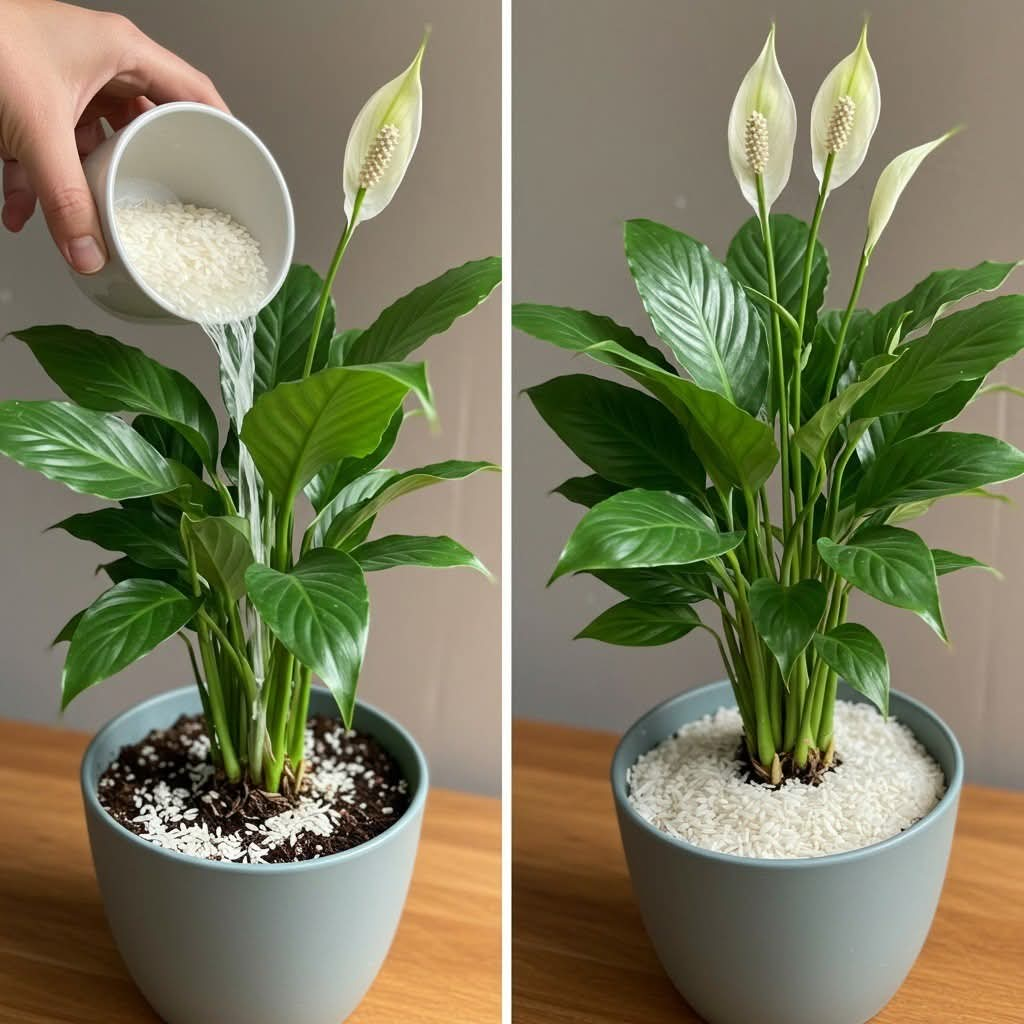
Peace Lily Care: How to Make Your Peace Lily Bloom for Up to 10 Years with Just One Ingredient
Introduction: The Peace Lily (Spathiphyllum) is one of the most popular houseplants, beloved for its elegant white blooms and glossy green leaves. What makes the Peace Lily so special is not just its beauty, but its ability to thrive in indoor environments with minimal care. However, many people struggle to get their Peace Lily to bloom. The secret to long-lasting, thriving blooms for up to 10 years lies in a simple yet often overlooked ingredient: a little bit of patience and the right conditions.
In this guide, I’ll walk you through the methods and care tips that will help your Peace Lily bloom year after year, creating an indoor oasis. Whether you’re a seasoned plant parent or a beginner, this recipe will show you how to nurture your Peace Lily into a flowering marvel that lasts for a decade!
Ingredients (or Care Essentials):
- A healthy Peace Lily plant (ideally 6-8 inches tall for best growth)
- High-quality, well-draining potting soil
- A pot with drainage holes (for preventing waterlogging)
- A balanced, water-soluble fertilizer (N-P-K ratio: 20-20-20)
- Filtered or distilled water (avoid tap water with chlorine)
- Indirect light (bright, but not direct sunlight)
- A humid environment (or a humidity tray)
- Consistent temperature (ideally 65-85°F or 18-29°C)
- A small dose of patience (the key ingredient for blooming!)
Instructions:
1. Choosing the Right Spot for Your Peace Lily:
- Light: Peace Lilies thrive in bright, indirect light. Too much sunlight can scorch the leaves, while too little can prevent blooming. Choose a spot near a window with filtered light. If your space lacks natural light, you can also use a grow light to help your Peace Lily flourish.
- Temperature: Keep your Peace Lily in a consistent temperature range of 65°F to 85°F (18°C – 29°C). Avoid placing it in areas with drafts, like near air conditioners, heaters, or open windows.
- Humidity: Peace Lilies prefer high humidity, so it’s a good idea to keep them in bathrooms or kitchens where humidity is naturally higher. If that’s not possible, place the pot on a humidity tray or mist the leaves occasionally.
2. Watering Your Peace Lily:
- Water your Peace Lily when the top 1-2 inches of soil feel dry to the touch. Overwatering can cause root rot, so it’s important to ensure the pot has good drainage.
- Use filtered or distilled water, as Peace Lilies are sensitive to chlorine and other chemicals found in tap water. Water the plant thoroughly until the excess water begins to drain from the bottom.
3. Fertilizing for Blooming:
- To encourage your Peace Lily to bloom, fertilize it with a balanced, water-soluble fertilizer (20-20-20 N-P-K ratio) once a month during the growing season (spring through summer). During the fall and winter, reduce the fertilization frequency, as the plant goes into dormancy.
- When applying fertilizer, dilute it to half the recommended strength to avoid over-fertilizing, which can harm the plant.
4. Repotting and Pruning:
- Repot your Peace Lily every 1-2 years or when the roots outgrow their pot. Choose a pot that’s 1-2 inches larger in diameter than the current one, and make sure it has drainage holes.
- Prune dead or yellowing leaves regularly to maintain the plant’s health. Pruning will help the plant focus its energy on producing blooms.
5. Patience for Blooms:
- One of the most important ingredients for Peace Lily blooms is patience. While some plants bloom frequently, Peace Lilies only flower once or twice a year. With proper care, they can bloom for up to 10 years, with their signature white flowers lasting for several months.
- A Peace Lily will only bloom when it’s mature and healthy, so don’t worry if it doesn’t bloom immediately. As long as you maintain the right growing conditions, your plant will reward you with its stunning white spathes.
Methods:
Optimizing Light and Humidity:
The most critical factor for getting your Peace Lily to bloom is ensuring it has access to the correct light levels and sufficient humidity. Peace Lilies are native to tropical rainforests, where they grow in shady understory environments with high humidity. Mimicking these conditions at home will help your plant thrive. If your home is dry, use a humidifier or place a humidifying tray beneath the pot.
Watering Properly:
Proper watering is another essential method. Ensure the soil is consistently moist but never waterlogged. To test if your plant needs water, stick your finger into the soil; if it feels dry up to your second knuckle, it’s time to water.
Fertilization Strategy:
Fertilizing during the growing season encourages blooms, but it’s essential not to overdo it. Too much fertilizer can lead to leaf burn and discourage blooming. A light monthly feeding is ideal for keeping your Peace Lily happy.
History of the Peace Lily:
The Peace Lily (Spathiphyllum) has a rich history, originating in the rainforests of Central and South America. The plant is admired for its graceful white blooms and hardiness. Despite its tropical origins, it has adapted well to indoor environments around the world and has become a beloved houseplant.
The plant’s name, Spathiphyllum, comes from the Greek words “spath,” meaning “spoon,” referring to the shape of the flower, and “phyllon,” meaning “leaf.” The common name, “Peace Lily,” comes from the white spathe that surrounds the flower, symbolizing purity, peace, and calm.
Over time, Peace Lilies have become known for their ability to improve indoor air quality. NASA included them in its Clean Air Study because they’re excellent at filtering out harmful toxins from the air, making them a perfect addition to your home.
Formation of the Recipe:
This recipe combines several essential elements to ensure your Peace Lily blooms continuously and flourishes for years. The proper lighting, consistent watering, and correct temperature are foundational for healthy growth. The key to blooms lies in the balance of care—don’t overwater, don’t over-fertilize, and, most importantly, be patient. The fertilizing schedule and humidity levels can be adjusted according to your home environment, but sticking to these basic principles will encourage flowering for years.
Conclusion:
By following these simple yet essential care tips, your Peace Lily can bloom year after year for up to 10 years or more. Patience is the key ingredient, along with providing the right conditions for growth. Once your Peace Lily blooms, you’ll be rewarded with its stunning white flowers, which are sure to bring peace and beauty into your home.
Lovers of the Peace Lily:
This guide is perfect for houseplant lovers, beginners, and those with an eye for beauty. If you’re someone who enjoys caring for indoor plants and watching them thrive, the Peace Lily will bring you endless joy. With its glossy leaves, fragrant blooms, and air-purifying qualities, it’s no wonder the Peace Lily is one of the most popular houseplants worldwide.
Tips for Lovers of Peace Lilies:
- Check for Pests: Peace Lilies are fairly resistant to pests, but occasional infestations of spider mites or mealybugs can occur. Regularly inspect the leaves for signs of pests and treat accordingly.
- Control Root Rot: If you notice yellowing leaves and a soggy base, your Peace Lily may have root rot. Ensure the pot has proper drainage and adjust your watering schedule.
- Enjoy the Blooms: When your Peace Lily blooms, enjoy the flowers! Once the blooms begin to fade, remove them to encourage new growth.
Thank you for your interest! Follow for more plant care recipes and tips to help your houseplants thrive. 🌿🌸