
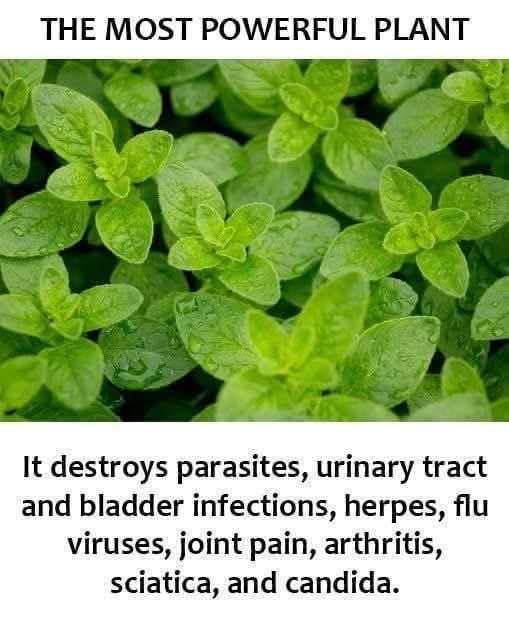
I’m happy to create a rich, evocative “big recipe” built around “one of the most powerful plants in the world”. Since you didn’t name the plant, I’ll choose turmeric (Curcuma longa) for this recipe — it is often called a “powerful plant” for its health, culinary, and cultural significance. If you had another plant in mind (moringa, ashwagandha, etc.), I can adapt.
Here is a full, heartfelt recipe post:
🌿 Introduction
They say some plants carry power in every fiber of their being — the golden root, turmeric, is one of them. In many cultures, turmeric is more than a spice: it’s medicine, ritual, color, healing. I remember my grandmother adding turmeric to food, to teas, even to ointments. The smell would fill the kitchen and promise warmth, remedy, comfort.
When I first heard someone call it “one of the the most powerful plants in the world,” I felt a surge of recognition. Because in that word lies truth: turmeric has inspired medicines, cuisines, rituals — and stories. So here is my “big recipe” built around turmeric — a recipe, yes, but also a tribute, a love letter to that glowing root.
🧂 Ingredients
Here’s what you’ll need:
For the Turmeric-Lemon Golden Drink (the main recipe)
- 2 cups milk (dairy or plant-based; e.g. almond, coconut)
- 1 tsp ground turmeric or 1½ tbsp fresh turmeric root, grated
- ¼ tsp ground black pepper
- ½ tsp ground ginger (or 1 tsp fresh, grated)
- 1 tbsp honey or maple syrup (or sweetener of your choice)
- 1 tsp coconut oil or ghee (optional, helps with absorption)
- A pinch of cinnamon (optional)
For a Turmeric Ginger-Lemon Elixir (variation / syrup)
- 1 cup fresh turmeric root, peeled and sliced
- ½ cup fresh ginger root, peeled and sliced
- 4 cups water
- Juice of 1 lemon
- Honey or sweetener to taste
For a Turmeric Healing Balm / Salve (topical side recipe)
- ¼ cup coconut oil or olive oil
- 1 tbsp beeswax (or beeswax pellets)
- 1 tsp ground turmeric
- 5–10 drops essential oil (e.g. lavender, frankincense)
🍽 Instructions & Methods
Method A: Making the Turmeric-Lemon Golden Drink
- Warm the milk
In a small saucepan, gently heat the milk over low to medium heat — do not let it boil, just warm it. - Stir in spices
Add the turmeric (fresh or ground), black pepper, ginger, and cinnamon (if using). Stir continually, so nothing sticks or scalds. - Add fat and sweetener
Mix in the coconut oil (or ghee) and the honey (or syrup). The fat helps your body absorb turmeric’s active compound (curcumin). - Simmer and meld
Let the mixture simmer (very gently) for 5–7 minutes, stirring often, so flavors meld. - Strain (if needed)
If you used fresh root bits, you may strain the drink through a fine mesh or cheesecloth. Otherwise, pour as is. - Serve warm
Pour into a mug, maybe garnish with a sprinkle of cinnamon or a slice of fresh ginger.
Method B: Turmeric Ginger-Lemon Elixir / Syrup
- In a saucepan, combine water, turmeric slices, and ginger slices. Bring to a gentle boil, then reduce heat to low, cover, and simmer for 30 minutes.
- Remove from heat, let it cool a bit, then strain out the solids, keeping the infused liquid.
- Stir in lemon juice and honey (or other sweetener) while warm.
- Store this elixir in a jar in the fridge. Use a tablespoon in your tea, or dilute as needed.
Method C: Turmeric Healing Balm / Salve (for skin)
- Melt oils & beeswax
In a double boiler (or a small pot over water), melt the coconut oil (or olive oil) with beeswax until fully liquid. - Incorporate turmeric
Remove from heat, stir in ground turmeric until evenly mixed. - Add essential oil
Let it cool slightly, then add essential oil drops and stir. - Pour & solidify
Pour the warm mixture into small jars or tins. Let it cool and solidify. - Use topically
Rub a tiny bit on sore spots, skin areas, minor cuts, etc. Always test a small patch first.
📚 History & Significance
- Ancient roots: Turmeric has been used in Indian (Ayurvedic) and Southeast Asian medicine for thousands of years.
- Golden spice: It gives curry its vibrant color and is revered as a sacred spice in rituals, ceremonies, and healing.
- Modern science: Its active compound, curcumin, has been studied for anti-inflammatory, antioxidant, antimicrobial, and even anticancer potential.
- Cultural rituals: In many cultures, turmeric paste is used in weddings, bless the bride/groom, in skincare, and in apotropaic traditions (warding off evil).
- Global spread: Today, turmeric appears in smoothies, lattes (“golden milk”), skincare, medicinal teas, and more.
🏗 Formation / Structuring the Recipe
The formation of this recipe has layers:
- Core drink (turmeric-latte)
- Elixir / syrup (concentrated, to use flexibly)
- Topical balm / salve (external medicine)
Together, they form a holistic usage: internal nourishment + external care. You could present these as a “turmeric trio” — drink, tonic, and balm.
❤️ Lovers (Those Who Adore It)
Who falls in love with turmeric in this way?
- Tea lovers and latte aficionados, looking for a golden, comforting beverage.
- Herbalists and wellness seekers, drawn to the medicinal potential.
- Skincare devotees, who appreciate natural balms and lotions.
- Cultural keepers, connecting to rituals and ancestral wisdom.
- You, because this plant holds power, memory, and healing in one root.
🏁 Conclusion
This recipe is more than just a drink — it’s a ritual. By choosing a plant as potent as turmeric, you’re tapping into something that has traveled across centuries, cultures, bodies, and healing systems. Every sip warms you. Every balm touch soothes. Every drop of elixir is a reminder of the roots (literally) beneath our feet.
May this “golden plant” bring you light, health, and connection — just as it has for generations. And may every time you prepare it, you feel the presence of those who made such remedies before, whispering, “Here, take this — for solace, for strength, for love.”
If you had a different plant in mind (moringa, ginkgo, ashwagandha, etc.), tell me, and I’ll recreate this full recipe for that one.